Step 1: Giving Recycled uPVC a New Purpose
One of the most important aspects of K-Form manufacturing is our choice of material.
Our products are manufactured using 100% recycled uPVC, sourced from discarded window frames. Rather than allowing this material to go to waste, we give it another purpose by incorporating it into durable construction products.
Recycling suitable uPVC provides an opportunity to retain value in an existing material while reducing reliance on virgin plastic. It also supports a more circular approach to manufacturing, in which materials are reused rather than treated as disposable resources.
Before extrusion can begin, the material must be suitable for processing. Recycled plastic needs to be prepared appropriately so that it can be processed consistently and meet the requirements of the finished product.
This preparation is an important foundation for the manufacturing process. The quality of the material entering the production line plays a significant role in achieving dependable results.
For K-Form, sustainability is not simply an additional feature of the finished product. It begins with the material itself.
Step 2: The Extrusion Process Begins
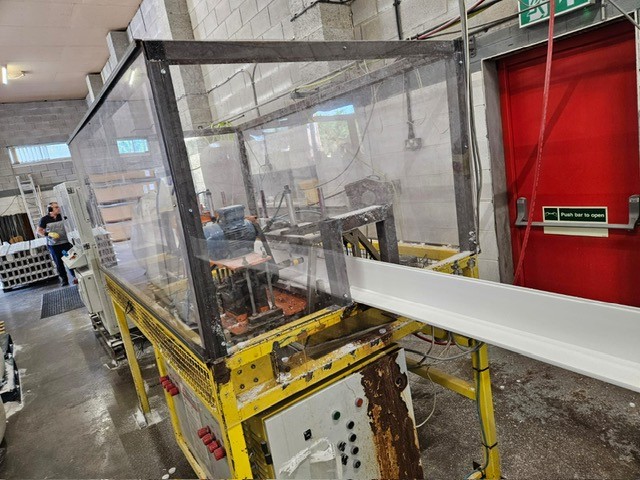
Once the material is ready, it enters the extrusion equipment, where heat and mechanical processing prepare it for forming.
Inside the extruder, a rotating screw moves the material through a heated barrel. As the material is processed, it becomes workable enough to pass through the specially designed extrusion die.
The die is one of the most important components of the process. Its shape determines the profile produced, allowing the material to emerge in the required form.
For K-Form, this is where the manufacturing process starts to take shape, transforming recycled uPVC into the profiles used in our screed rail and shuttering systems.
Achieving the correct profile requires appropriate processing conditions and consistent material flow. Temperature, pressure and production settings must be managed to help maintain the required dimensions and finish.
This is why extrusion is much more than simply melting and shaping plastic. It is a controlled manufacturing operation where the equipment, tooling and material must work together.
Step 3: Cooling, Calibration and Profile Control
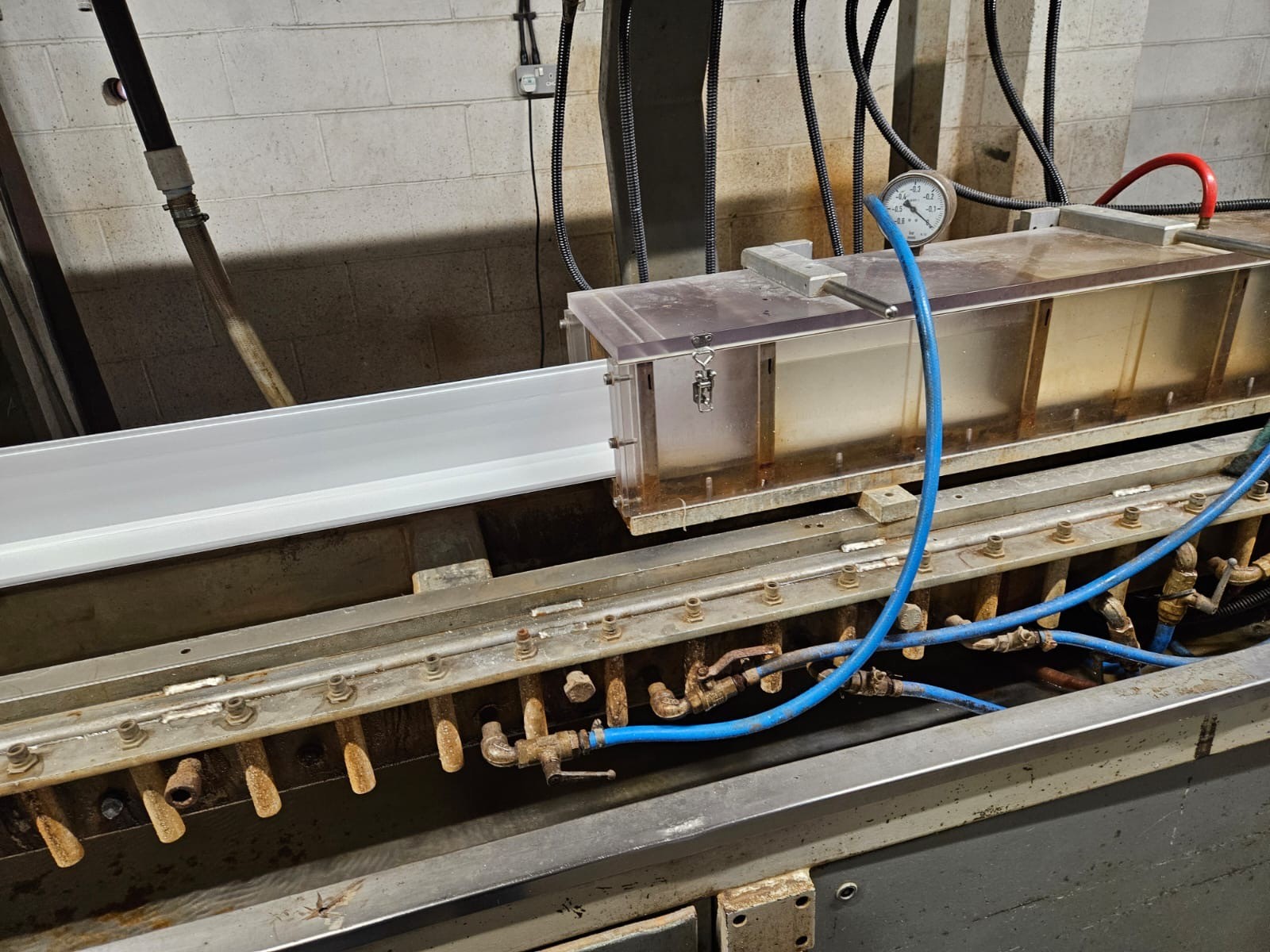
Once the uPVC has passed through the die, the newly formed profile needs to cool and stabilise while retaining its intended shape.
Cooling and calibration equipment help control the profile as it leaves the extrusion stage. Depending on the production line, this can involve sizing equipment and controlled cooling, including water-based systems.
This stage is essential because the material must retain the correct dimensions as it transitions from a workable state into a stable finished profile.
If the profile does not cool or stabilise correctly, its dimensions and shape can be affected. Consistent control throughout this stage helps support the accuracy needed for products that must fit together and function as part of a wider system.
For construction products, reliable dimensions are particularly important. Profiles need to maintain their intended geometry so that they can be installed correctly and perform as designed.
Step 4: Maintaining Quality Throughout Production
Quality is not something that can be added at the end of manufacturing. It needs to be considered throughout the entire process.
From material preparation and extrusion to cooling and finishing, each stage contributes to the final product. Monitoring production conditions and checking the finished profile helps identify issues and maintain consistent output.
For K-Form, the objective is to produce profiles suitable for the demands of real construction environments. Our shuttering systems need to provide the dimensions, durability and functionality expected by contractors working on projects of different sizes.
The finished profiles must also support the practical requirements of the K-Form system, including the formation of concrete bays, integration of joints and achievement of accurate slab levels.
K-Form products are BBA Certified, reflecting our commitment to product performance and quality. This provides customers with additional confidence when selecting a shuttering solution for their projects.
Step 5: From Manufactured Profile to Construction Site
Extrusion is a crucial part of the journey, but its value becomes clear when the finished product reaches a construction site.
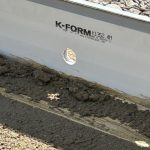
K-Form screed rails are designed to provide an alternative to traditional steel and timber shuttering. Their lightweight construction, practical design and ability to remain in place after concrete pouring can help simplify the installation process.
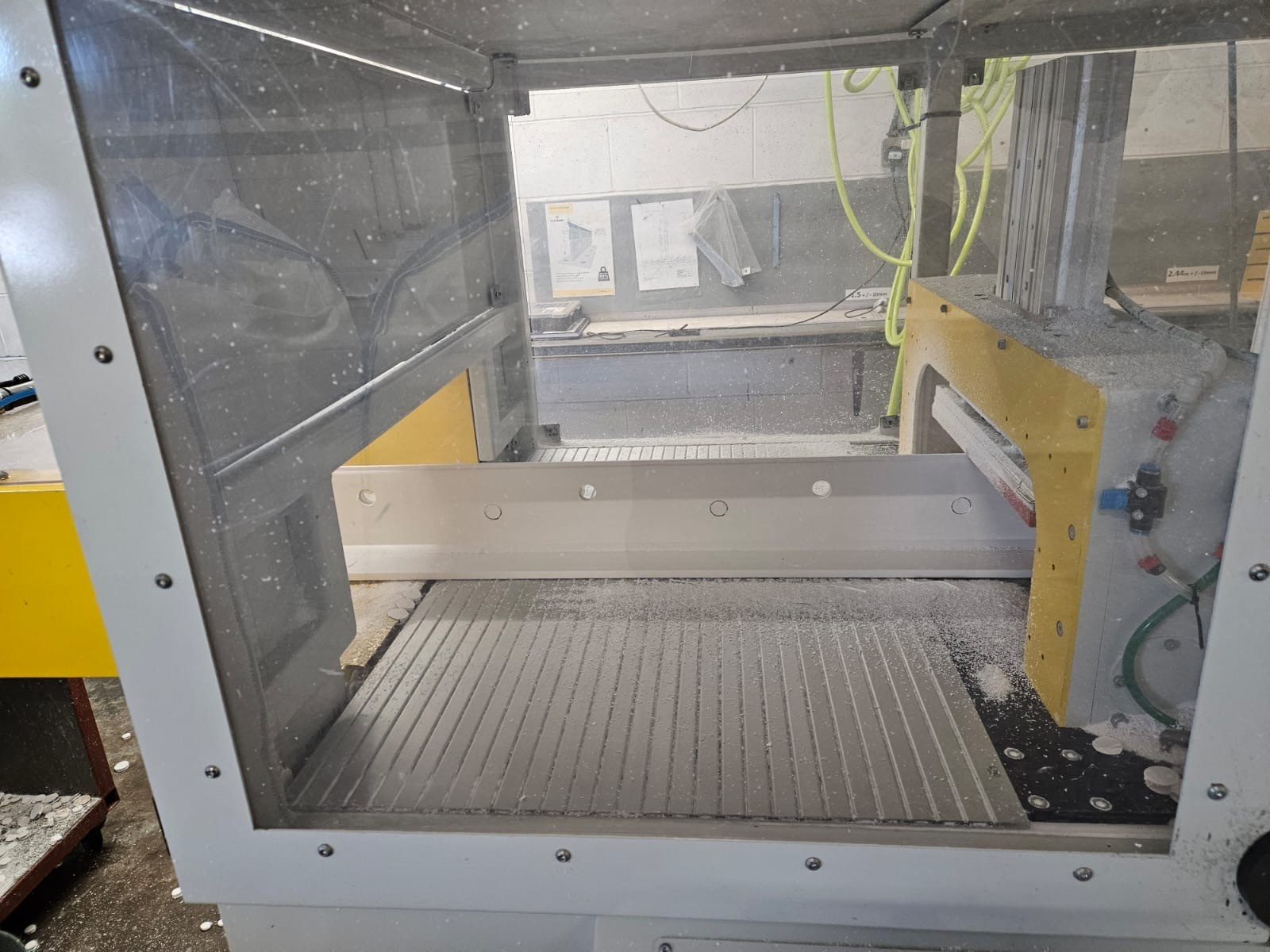
The system incorporates features such as pre-drilled holes for locating dowel bars, provision for mortar anchoring and a removable top strip. These features help contractors establish concrete bays and create the required joints and slab levels.
Because the main K-Form profile remains in place after pouring, there is no need to remove and clean conventional shutters before reusing them elsewhere. This can reduce handling and help improve productivity across suitable projects.
The benefits extend beyond installation. By using recycled uPVC, K-Form combines practical performance with a more resource-conscious approach to construction manufacturing.
For contractors managing large concrete pours, these details can make a meaningful difference to the efficiency of the overall operation.
A More Sustainable Approach to Manufacturing
The construction industry continues to look for ways to improve efficiency while reducing waste and environmental impact. Material selection and manufacturing methods both have an important role to play.
By manufacturing K-Form products from 100% recycled uPVC, we help give existing plastic materials a longer useful life. Our products are designed to deliver practical benefits on site while making use of material that might otherwise be discarded.
Sustainability also needs to be considered in terms of product longevity and practical use. Durable products that can perform their intended function over time help support a more responsible approach to resource use.
Combined with a system designed to reduce the need for traditional shuttering removal and reuse, K-Form offers contractors an alternative that considers both construction efficiency and material use.
Precision Manufacturing. Practical Construction Benefits.
The extrusion process may take place behind the scenes, but it plays a vital role in the quality and consistency of the products used every day on construction projects.
From recycled uPVC and carefully controlled processing to profile cooling and quality checks, each stage contributes to producing a finished product that meets its intended purpose.
At K-Form, we are proud to combine UK manufacturing, innovative product design and recycled materials to provide practical solutions for the construction industry.
Whether you're working on a commercial development, industrial flooring project, infrastructure scheme or large concrete slab, choosing the right shuttering system can make a real difference to the way your project is delivered.